CultureWhy floating markets exist—and what they mean now
Thailand’s waterways were once major transport and trading routes, so communities naturally bought and sold goods from boats and waterside homes. Today, some floating markets remain closely tied to local life while others are shaped heavily by tourism. The useful travel question is not “Which one is most famous?” but “What kind of market am I visiting?” Look for the relationship between boats, canals, food stalls and the surrounding community, and treat the market as a living place rather than a photo set.
Find related guides → Language & PlaceWhy “Bangkok” is only part of the city’s name story
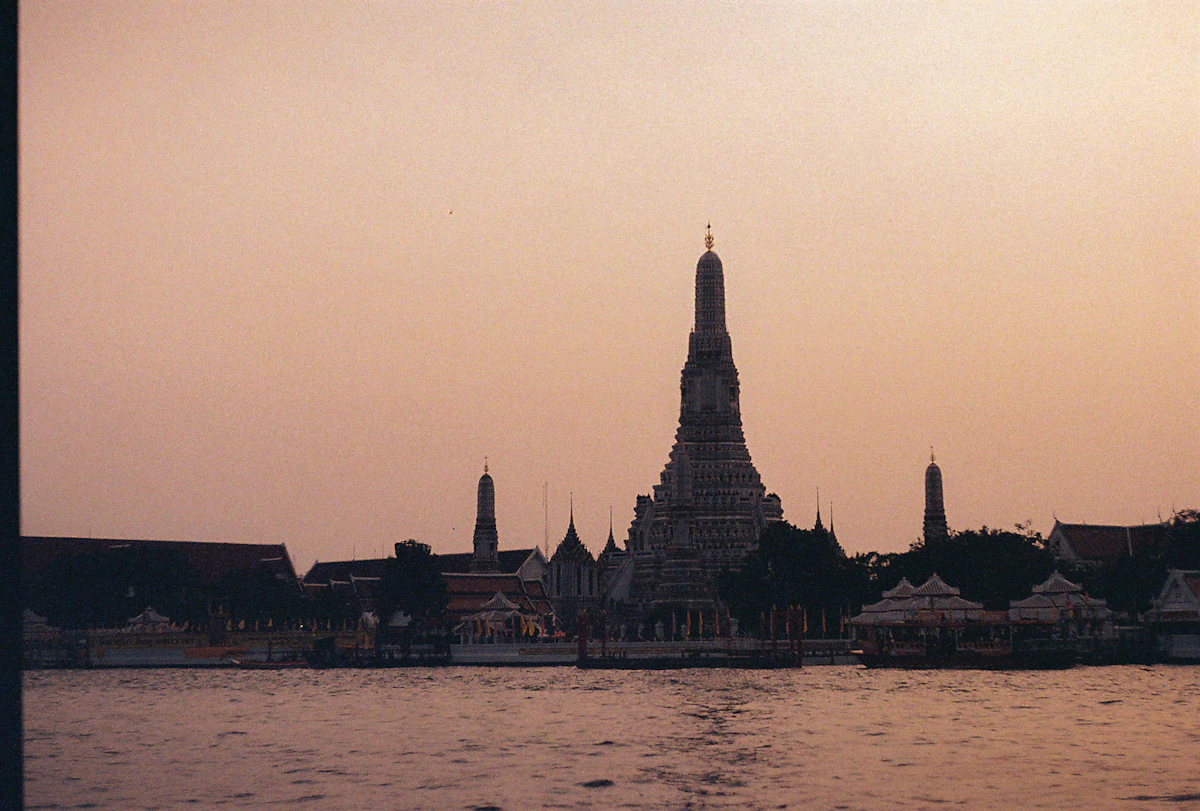
International travelers know the capital as Bangkok, while Thai speakers commonly use Krung Thep, a shortened form connected to the city’s ceremonial name. The difference is a reminder that place names often carry layers of history, court language and everyday shorthand. You do not need to memorize the full ceremonial form to appreciate the point: the name itself tells you that the city has been understood differently by locals and outsiders.
Find related guides → FoodPad Thai is more than a tourist-friendly noodle dish
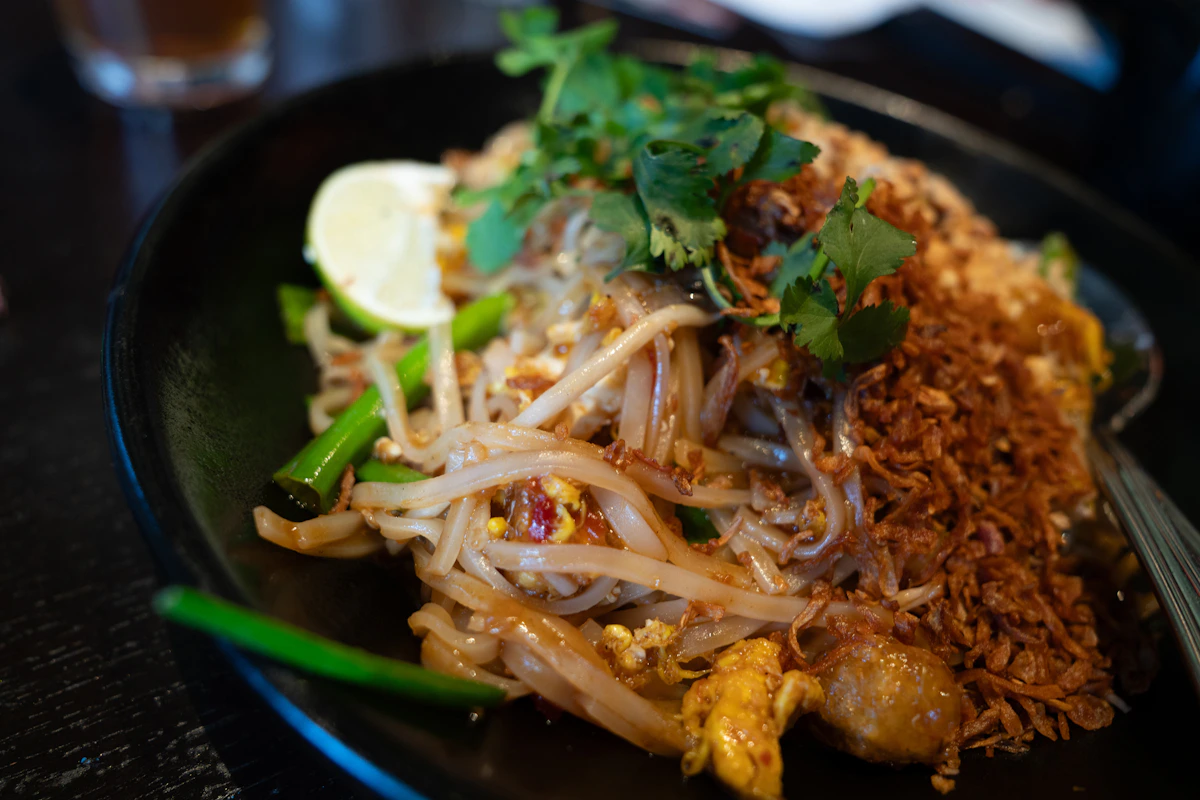
Pad Thai brings together rice noodles, a sweet-sour-salty balance, egg and a range of garnishes or proteins. Its modern national identity is often connected with twentieth-century state-building and efforts to promote a recognizable Thai dish. Rather than searching for one “authentic” version, pay attention to the balance, texture and regional or vendor differences. The most useful food story is how a dish becomes both everyday food and a national symbol.
Find related guides → FestivalYi Peng: a festival of light with meaning beyond the photograph
Northern Thailand’s lantern imagery is closely associated with Chiang Mai and Lanna cultural traditions. The visual spectacle attracts travelers, but the festival is not simply an event staged for visitors. Dates, permitted release areas and local rules can vary, so travelers should use official event information and respect safety and environmental restrictions. The deeper experience comes from understanding the ritual and community context, not only capturing the sky.
Find related guides → HistoryAyutthaya makes Bangkok easier to understand
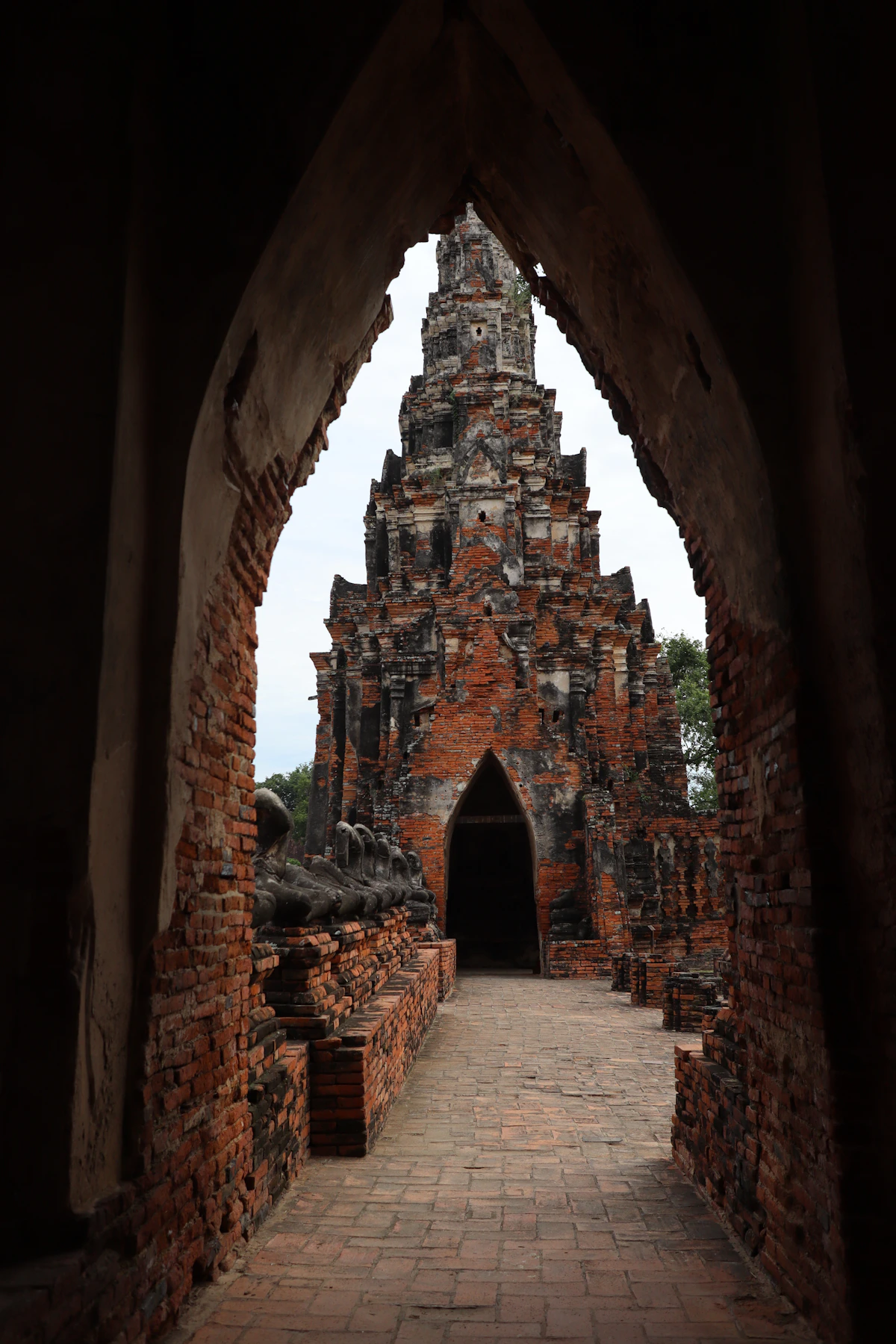
Ayutthaya was a major royal capital before Bangkok became the center of the modern Thai state. Its temple ruins, river geography and surviving monuments make historical change visible in the landscape. A visit before or after Bangkok helps travelers notice continuity in sacred architecture, royal symbolism and the importance of waterways. It is one of the clearest examples of why adding historical context can change a later city visit.
Find related guides → Responsible TravelHow to think about elephant tourism without a simple label
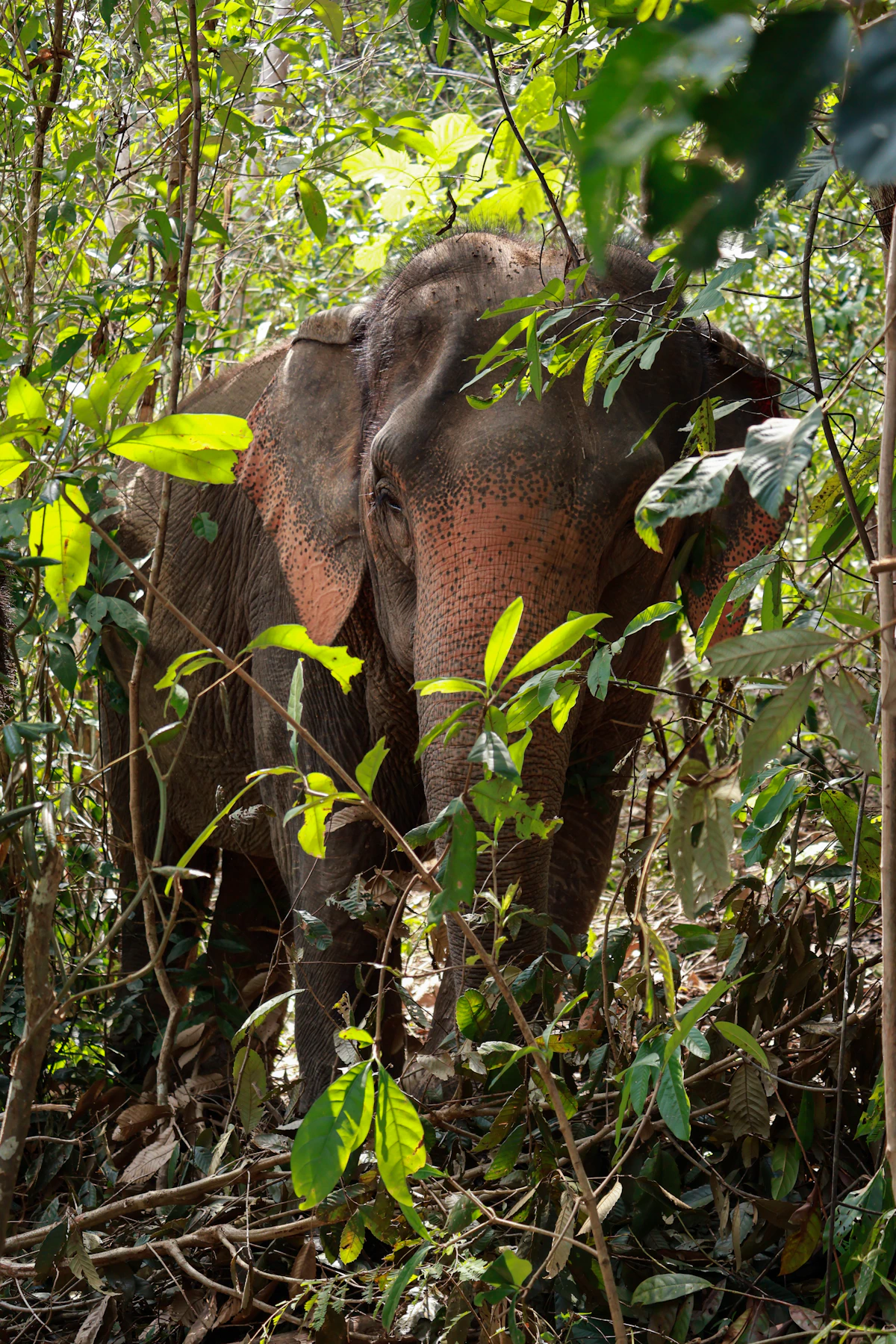
Elephant experiences vary widely, and marketing language alone does not tell you how animals are treated. Travelers should look closely at handling practices, breeding, visitor interaction, space, rest and whether the operator prioritizes animal welfare over photo opportunities. A responsible decision is less about finding a perfect slogan and more about asking good questions, avoiding exploitative interaction and choosing operators whose practices can be explained transparently.
Find related guides →